Charging points
What steps do you need to take to install an electric vehicle charging point, depending on where it will be located. It also indicates when you should contact your electricity supplier and when you need to deal with the distribution company?
1. Private house
What you need to do
Step | Action |
1 | Hire a certified installer. |
2 | The installer will create a dedicated circuit for charging the vehicle. |
3 | If you need more electrical power, request a capacity upgrade from your electricity supplier. |
4 | If the supplier indicates that you need to process an upgrade with the distribution company, you can do so via the customer portal. |
2. Communal garage
Before starting the installation
You must inform the building management that you are going to install a charging point.
- The installation must be carried out by an installer authorized by the Low Voltage Electrical Regulation (REBT). More information is available
 here
here .
.
Installation options
Type of installation | Required action |
Shared circuit for several electric vehicles | Requires a dedicated main meter for charging. |
Meter shared between the home and the charging point | You will only need to request a capacity upgrade from your electricity supplier if required. |
Independent meter for each charging point | You must request a new supply to obtain a new CUPS and subsequently set up a supply contract with the electricity supplier of your choice. |
Important
If you need to increase the contracted power capacity of an existing CUPS, contact your electricity supplier.
3. Garage in a building where you do not reside
What you need to do
- Inform the building management.
- Request a new supply for the charging point.
- Obtain a new CUPS linked to that supply.
- Set up a supply contract with the electricity supplier of your choice.
- Install the meter in the building's communal meter room.
4. New-build homes
Requirements
- Homes built since 2014 must have pre-installation for charging points.
- The minimum planned power capacity is 9.2 kW.
- If the property does not have pre-installation, you must follow the same steps outlined for a private house.
Do you need a power boost?
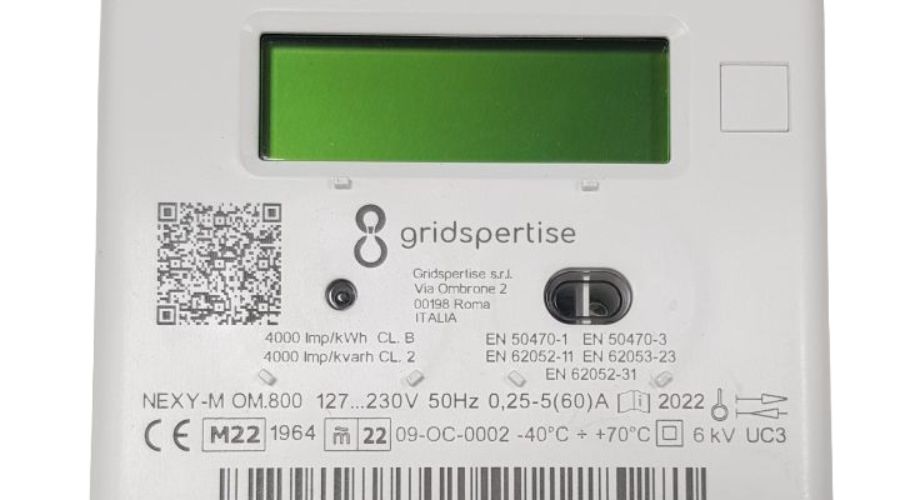
If you have a low-voltage supply with a smart meter integrated into the remote management system (contracted power <50 kW), go to the private area and check the maximum power demanded for each month. And if you think it's necessary to increase it, contact your supplier to request the change.