The eighth island of the Canary Islands is already smart
It aims to integrate renewable energy into the electricity grid
The G.R.A.C.I.O.S.A project is 100% self-sustainable.
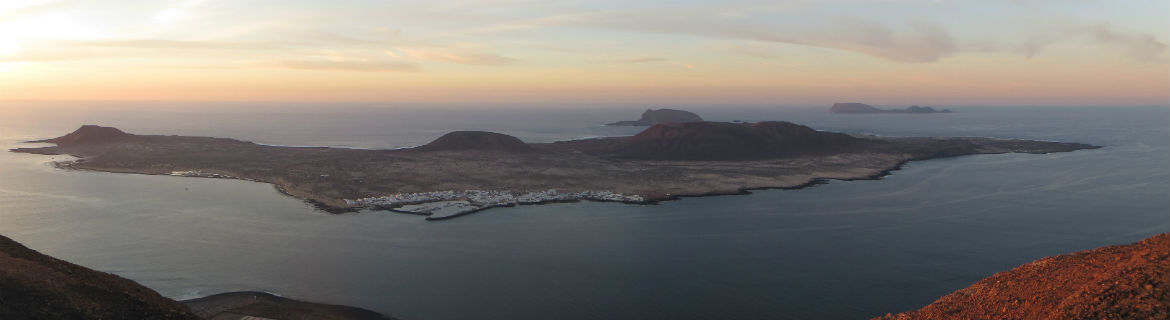
A unique island
Since June 2018, La Graciosa has been the eighth inhabited island of the Canary Islands.
With an area of 29 km², it has become a real-world laboratory to demonstrate that an island can be self-sufficient and energy-smart.
What is the G.R.A.C.I.O.S.A project?
The G.R.A.C.I.O.S.A project stands for Generación Renovable con Almacenamiento y Consumos Inteligentes para la Operación de redes de distribución con Sistemas de Autoconsumo (Renewable Generation with Storage and Smart Consumption for the Operation of Distribution Networks with Self-Consumption Systems).
Its aim is to integrate renewable energy, particularly solar photovoltaics, into the island's electricity grid in a safe, efficient, and stable way.
Why this project is necessary
The growth of renewable energies in the Canary Islands poses significant challenges for the distribution network, such as:
- The variability of solar generation.
- The need to store energy.
- The efficient management of consumption.
Since 2016, the project has been rolling out a smart grid on La Graciosa to address these challenges.
Technologies used
The project combines various technologies to manage renewable energy:
- Photovoltaic panels, for distributed generation.
- Storage systems, such as batteries and ultracapacitors.
- PLC (Power Line Communications), which use the electricity grid itself to transmit data.
- Monitoring and control systems.
- Low and medium-voltage automation systems.
These technologies allow solar energy to be integrated into the conventional electricity grid efficiently.
A more efficient and reliable system
Through this project:
- Consumers, suppliers, and the distribution company all play an active role.
- The reliability of the electricity supply is improved.
- Energy sources are diversified.
- Energy use is optimised and costs are reduced.
- Respect for the environment is strengthened.
Who is involved in the project
The project is led by Enel and has a budget of €2.4 million.
45% of this investment is funded by the Centre for the Development of Industrial Technology (CDTI), which falls under the Ministry of Economy and Competitiveness.
In addition, the following organisations are participating and collaborating:
- Win Inertia (storage solutions).
- AICIA (Andalusian Association for Research and Industrial Cooperation).
- FIUS (University of Seville Research Foundation).
- Comillas Pontifical University.
- University of La Laguna.
- FIDETIA (Foundation for Research and Development of Information Technologies in Andalusia).